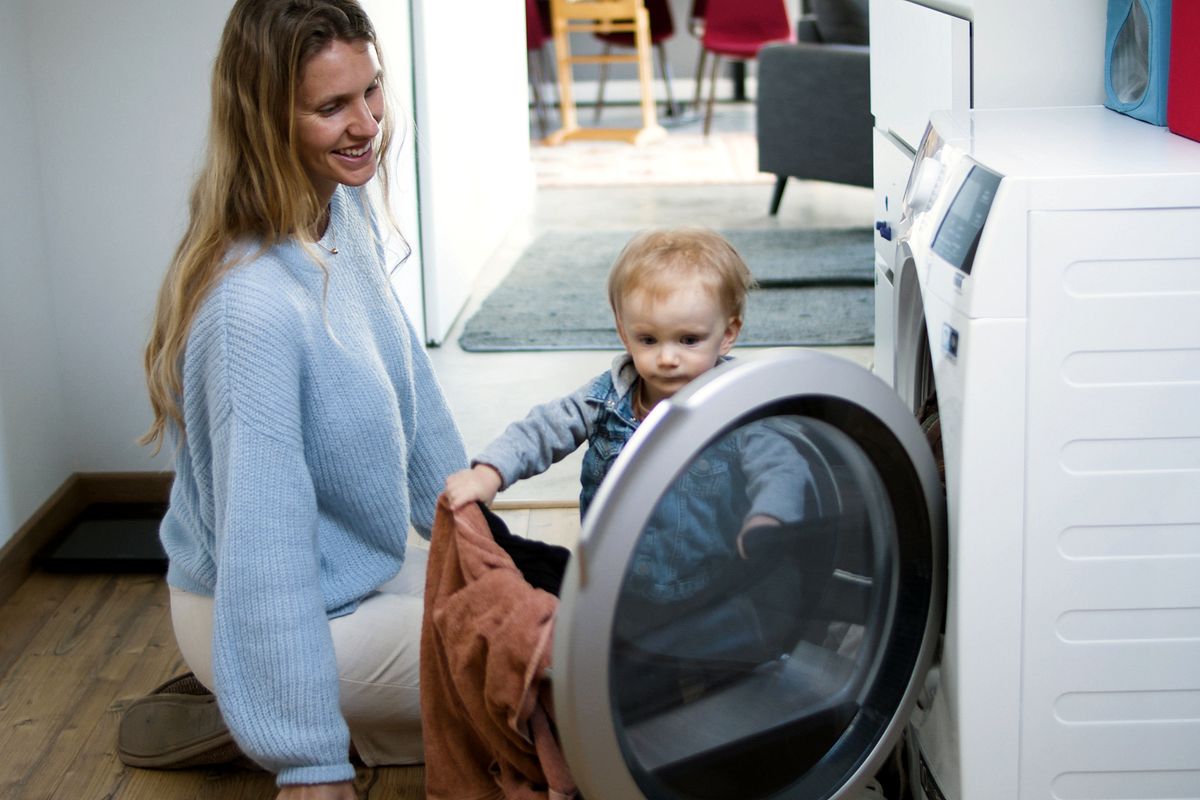
A temperature or the word "sanitized" does not, by itself, prove that rental baby gear is clean and safe to use. Different fabrics, plastics, harnesses, foams, and frames require different care. Excess heat or harsh products can damage components. A responsible process follows the product manufacturer's instructions, removes visible soil, dries items fully, and includes a condition check before handover.

Ask about the complete process
Useful questions are simple: Is equipment cleaned between customers? Are removable covers washed according to their care labels? How are high-touch parts handled? Is gear dried before storage? Who checks for damage after cleaning? The provider should be able to describe a process without making medical promises or relying on one impressive-sounding machine setting.
Cleaning is not inspection
A clean stroller can still have a weak brake, worn wheel, twisted harness, or missing fastener. A car seat needs particular caution because collision history and structural condition cannot be judged from fresh fabric alone. Ask how items are removed from service, how damage is recorded, and whether the exact model instructions govern reassembly.
- Look for dry, odor-free fabric.
- Check seams, buckles, brakes, and moving parts.
- Confirm inserts belong to that model.
- Report concerns before use.

Avoid unsafe DIY treatment
Do not steam, bleach, soak, lubricate, or machine-wash a rental item unless both the provider and manufacturer instructions allow it. Car-seat harness webbing is especially sensitive to unapproved treatment. For an everyday spill, remove the child, blot or wipe only as directed, and tell the provider. A strong fragrance can mask residue rather than demonstrate cleanliness.
What parents can verify
At collection, inspect the surfaces your child will touch and open folded areas where crumbs or moisture can hide. Check that covers are correctly fitted and do not interfere with buckles or moving parts. If your child has known skin sensitivities or allergies, explain the concern before booking and ask what products are used. No cleaning process can promise a reaction-free result.